
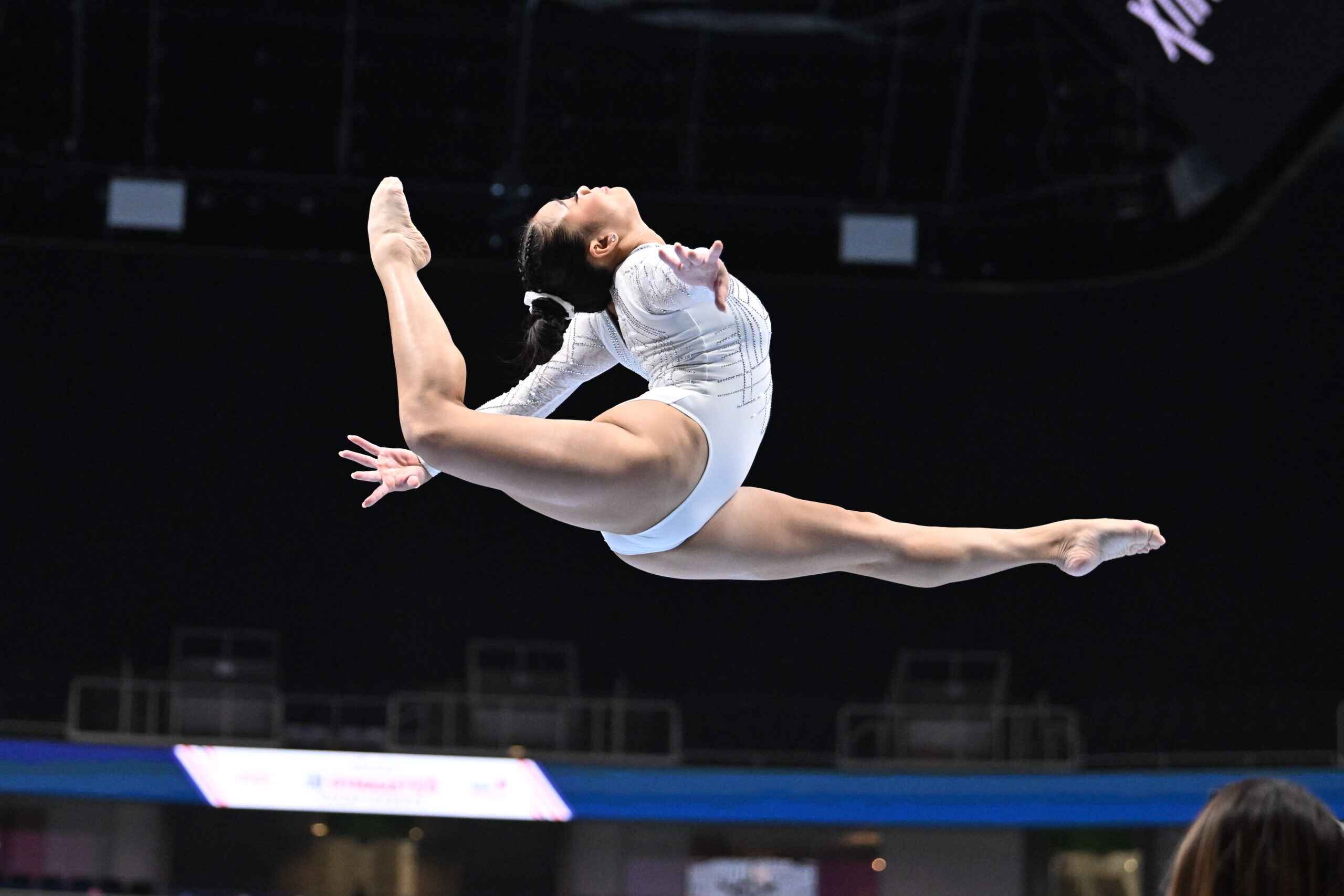
 Years of training. A few minutes on the mat. That’s the trade-off every Olympic gymnast makes, and it’s part of why this sport hits so hard to watch. Strength, flexibility, split-second precision — Olympic gymnastics packs all three into performances that can make or break a career in seconds.
Olympic Gymnastics: Understanding the Sport’s Structure
Artistic gymnastics is what most people picture when they hear “Olympics.” Most-watched discipline at the Games, by a wide margin. The format splits into individual and team events, with athletes hopping between several pieces of apparatus — and each one asks for a completely different physical skill.
Sports fans who want extra ways to stay engaged with Olympic events might want to check out dbbet, which offers additional options for following international competitions.
Men compete on six: floor, pommel horse, still rings, vault, parallel bars, horizontal bar. Women, four — vault, uneven bars, beam, floor. Most gymnasts have that one event where they truly shine. Doesn’t mean they get to slack elsewhere, though.
Two numbers make up every score. Difficulty — how hard the routine actually is. Execution — how clean it looks. Falls, wobbles, bent knees, tiny slips most people wouldn’t even catch on TV — all of it gets docked. Add the two together, that’s the final mark.
Olympic Gymnastics Apparatus Overview:
Stand a Chance To Win Bets Easily from Top-Notch SURE Tips >>> CLICK HERE To Get Daily Sure Football Predictions From Experts.
| Discipline | Men’s Events | Women’s Events | Scoring Focus |
| Floor Exercise | Yes | Yes | Tumbling, artistry |
| Vault | Yes | Yes | Power, precision |
| Rings/Bars | Still Rings | Uneven Bars | Upper body strength |
| Balance | Parallel Bars | Balance Beam | Control, stability |
| Horizontal | Horizontal Bar | — | Swing, release moves |
| Pommel Horse | Yes | — | Circular movements |
Rhythmic gymnastics? Whole different animal. Women-only at Olympic level. Dance meets apparatus work — ribbon, hoop, ball, clubs — and the flexibility on show looks almost fake on camera.
Gymnastics: Training, Technique, and Athletic Development
Most elite gymnasts start around four or five years old. Not some random parenting trend — the sport genuinely rewards the kind of groundwork only childhood allows. By the time these athletes hit international competition, they’ve put in twenty, thirty hours a week in the gym. Year after year. Barely any breaks.
The physical toll is real. Few athletes anywhere match the strength-to-weight ratio gymnastics demands. Add flexibility that would injure most adults, plus the spatial awareness to control a body mid-air during a twisting somersault. Coaches obsess over technique for good reason — one bad habit, repeated a thousand times, becomes an injury waiting to happen.
There’s a mental side too, and it gets overlooked constantly. Landing on beam takes actual nerve. One wrong shift of weight, and a gymnast drops four feet onto a surface four inches wide. Sports psychologists work with national teams now specifically to help athletes manage that fear before it bleeds into their execution.
Essential Gymnastics Training Elements:
- Flexibility work that keeps the extreme range of motion advanced skills demand
- Strength conditioning geared toward explosive power for landings and takeoffs
- Skill progression that builds difficulty gradually, without skipping safety steps
- Mental training aimed at managing fear tied to high-risk elements
- Choreography work that folds artistry into technically brutal routines
Anyone into other forms of entertainment beyond gymnastics might enjoy checking out wekawin for additional options.
Female gymnasts must turn sixteen during the Olympic year — a rule meant to keep kids from being pushed into elite competition too soon. Men tend to peak later. Their apparatus lean harder on raw strength, and that just takes time to build.
Olympic Gymnastics Team: Competition Format and Strategy
Five gymnasts, one Olympic team. But only four compete per apparatus in qualifying and finals — that gap is the whole ballgame. It forces coaches into genuinely tough calls about who competes where.
Qualification scores come from four routines per apparatus, and those totals decide which eight teams make the final. One slip here can sink medal hopes for an entire squad. Which is exactly why qualifying often feels more nerve-wracking than the final itself.
Come the team final, coaches send out their strongest four per event, weighing current form against what rivals are doing. Teams with depth across every apparatus usually beat the ones leaning too hard on one or two big names.
Team Competition Strategy Elements:
- Building a lineup that balances risk against consistency
- Letting athletes lean into their strongest apparatus during team rounds
- Keeping backups ready in case of injury or an off day
- Deciding rotation order — who goes first, who anchors last
- Managing the weight of representing an entire country
The US, China, and Russia have dominated team events historically. Lately though, Japan and Great Britain have built genuinely competitive programs of their own. Outcomes are less predictable now. Honestly, more fun to watch too.
Scoring System and Judging Criteria
The scoring system looks like a mess from outside, but the logic holds up once you know what judges are actually tracking. No ceiling on the difficulty score — that’s precisely why gymnasts keep chasing skills nobody’s landed before.
Execution starts at a perfect ten, then loses points for every visible slip — bent knee, hop on landing, incomplete twist. Multiple judges score independently, and the system drops the highest and lowest marks before averaging what’s left. Keeps individual bias out of it, mostly.
Video review backs up judges now on close calls, especially landings and rotation counts on the fastest skills. Not flawless. But it’s cut down on the scoring controversies that used to dominate headlines for days after a competition.
Notable Moments and Legends
Some names go beyond the sport entirely. Simone Biles, Nadia Comaneci, Kohei Uchimura — routines that get replayed decades later, and not just by hardcore gymnastics fans. Plenty of casual viewers still remember exactly where they were watching.
The perfect ten doesn’t exist anymore under current rules, but Comaneci’s 1976 score still carries a kind of legendary weight. Today’s system trades that simplicity for precision — letting judges actually tell apart athletes going for wildly different levels of difficulty.
Bottom Line
Olympic gymnastics pairs raw athleticism with real artistry. Getting to that level takes years most fans never see.
Training starts young and stays brutal for a decade or more, building the physical tools and mental toughness elite competition demands.
Team competition layers strategy on top of individual skill, forcing coaches to weigh depth against star power across every apparatus.
The scoring system rewards ambition and clean execution equally — which is exactly why the sport keeps pushing toward harder skills without losing precision.
New programs are closing the gap on the old powers. That alone should make the next few Olympic cycles worth watching closely.
Get today’s sure football prediction here