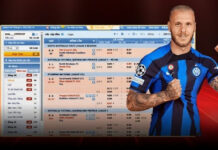

Today’s football odds offer more than simple numbers, as they reflect how markets evaluate match balance and expected outcomes. Each adjustment signals changing perspectives influenced by performance data, timing, and viewing behavior. Platforms like keonhacai present these updates in a structured format that supports clearer match tracking.
How today’s football odds are calculated and updated in real time
Today’s football odds are shaped by continuous data input and market reactions across different match timelines. Understanding how these updates occur helps viewers interpret changes without relying on assumptions or isolated signals.
Initial odds modeling based on team and match data
Keonhacai establish baseline values using historical performance, squad depth, and situational factors before markets open.
- Team form trends, injury reports, and recent fixtures influence early pricing models.
- Match context such as home advantage and schedule congestion is factored into initial estimates.
- These inputs create a starting reference for how today’s football odds are presented.
Real-time market movement and volume response
As activity increases, odds shift to reflect demand balance and changing exposure.
- High interest in one outcome can trigger adjustments to manage market distribution.
- Sudden spikes in activity often lead to short-term fluctuations in listed prices.
- Continuous recalibration helps keep odds aligned with current market behavior.
Automated data feeds and algorithmic recalculation
Modern platforms rely on live data streams to refresh odds as new information appears.
Stand a Chance To Win Bets Easily from Top-Notch SURE Tips >>> CLICK HERE To Get Daily Sure Football Predictions From Experts.
- Algorithms process lineup confirmations, match delays, and situational updates.
- These systems adjust pricing rapidly to mirror the latest available inputs.
- Automation ensures updates remain timely and consistent across markets.
Centralized display and synchronization on keonhacai
Kèo nhà cái 5 aggregates live feeds and market adjustments into a unified interface for consistent viewing. The platform synchronizes updates from multiple sources to reduce display lag and conflicting values. This centralized presentation helps users follow today’s football odds clearly as changes occur across different match windows.
Live event triggers and in-play adjustments
During matches, real-time events cause immediate recalibration of listed values.
- Goals, cards, and momentum shifts directly impact how outcomes are reweighted.
- In-play dynamics compress decision windows, increasing update frequency.
- These triggers keep pricing responsive to unfolding match contexts.
How today’s football odds are calculated and updated in real time
Key factors that influence today’s odds movement
Today’s odds shift in response to changing information and evolving market behavior throughout the match timeline. Recognizing these influences helps viewers interpret why today’s football odds move rather than treating changes as random signals.
| Factor | How it affects odds movement | Practical viewing insight |
| Team form trends | Recent performance streaks alter perceived balance between teams, causing gradual adjustments before kickoff. | Track form changes over several matches to understand why prices drift over time. |
| Lineup confirmations | Starting lineups can confirm or challenge expectations, leading to quick recalibration of market values. | Watch for official lineup releases, as movement often follows within minutes. |
| Injury and suspension news | Late fitness updates can reduce confidence in one side and rebalance probability estimates. | Compare pre-news and post-news prices to see the impact of availability changes. |
| Market volume shifts | Concentrated interest on one outcome forces adjustments to manage exposure across outcomes. | Observe spikes in activity to anticipate short-term volatility in pricing. |
Key factors that influence today’s odds movement
Common mistakes when interpreting today’s football odds
Today’s odds reflect shifting market expectations rather than fixed predictions about match outcomes. Misreading these signals can lead to flawed assumptions about how today’s football odds should be understood in context.
Treating odds as guaranteed outcomes
Some viewers interpret listed values as promises rather than probability indicators shaped by market balance.
- Odds reflect changing expectations, not confirmed results or final match narratives.
- Short-term movement can occur without meaningful changes in team performance.
- Contextual factors should be considered before drawing conclusions from small shifts.
Ignoring timing and update frequency
Today’s football odds can change rapidly depending on when information becomes available and how markets react.
- Early values often differ significantly from pre-kickoff adjustments.
- Late updates may reflect lineup confirmations or sudden news.
- Viewing odds without noting update timing can distort interpretation.
Overreacting to short-term fluctuations
Brief swings in pricing do not always indicate meaningful changes in match outlook.
- Temporary spikes may result from concentrated activity rather than new information.
- Single movements should be compared against broader trends.
- Consistent patterns matter more than isolated changes.
Relying solely on odds without match context
Focusing only on numbers can remove important situational understanding from interpretation.
- Team form, scheduling, and tactical context shape how prices are set.
- External factors such as travel or rest days can influence perceived balance.
- Odds should be viewed alongside qualitative match information.
Platform-specific display differences
keonhacai presents aggregated odds in a structured interface that can differ slightly in timing from individual market sources. Variations in refresh rates and synchronization may create brief discrepancies across match listings. Understanding how the platform consolidates updates helps users avoid misinterpreting display differences as meaningful market shifts.
 Common mistakes when interpreting today’s football odds
How to track today’s odds efficiently on keonhacai
Following odds in real time requires a clear routine and consistent viewing habits. Applying structured tracking methods helps users monitor today’s football odds without missing meaningful shifts.
- Checking odds at the same times each day builds familiarity with how values typically move across match timelines. This routine makes it easier to notice unusual changes or sudden adjustments.
- Pre-match and late update periods often show the most visible movement in listed values. Concentrating on these windows reduces noise from minor fluctuations earlier in the day.
- Observing how odds shift in comparable matches helps place individual changes into broader context. Pattern recognition improves when similar fixtures are reviewed side by side.
- keonhacai provides a consolidated view that reduces the need to jump between multiple sources. A single reference point helps maintain consistency when tracking changes over time.
- Noting major movements builds a personal reference for how markets typically react to information. Over time, this habit supports clearer interpretation of future changes.

How to track today’s odds efficiently on the platform
Conclusion
Today’s football odds reflect ongoing market evaluation rather than fixed predictions about match outcomes. By observing trends instead of isolated changes, viewers can build a more consistent way to read pricing signals. Using keonhacai as a centralized reference supports smoother monitoring across multiple fixtures.
Get today’s sure football prediction here